
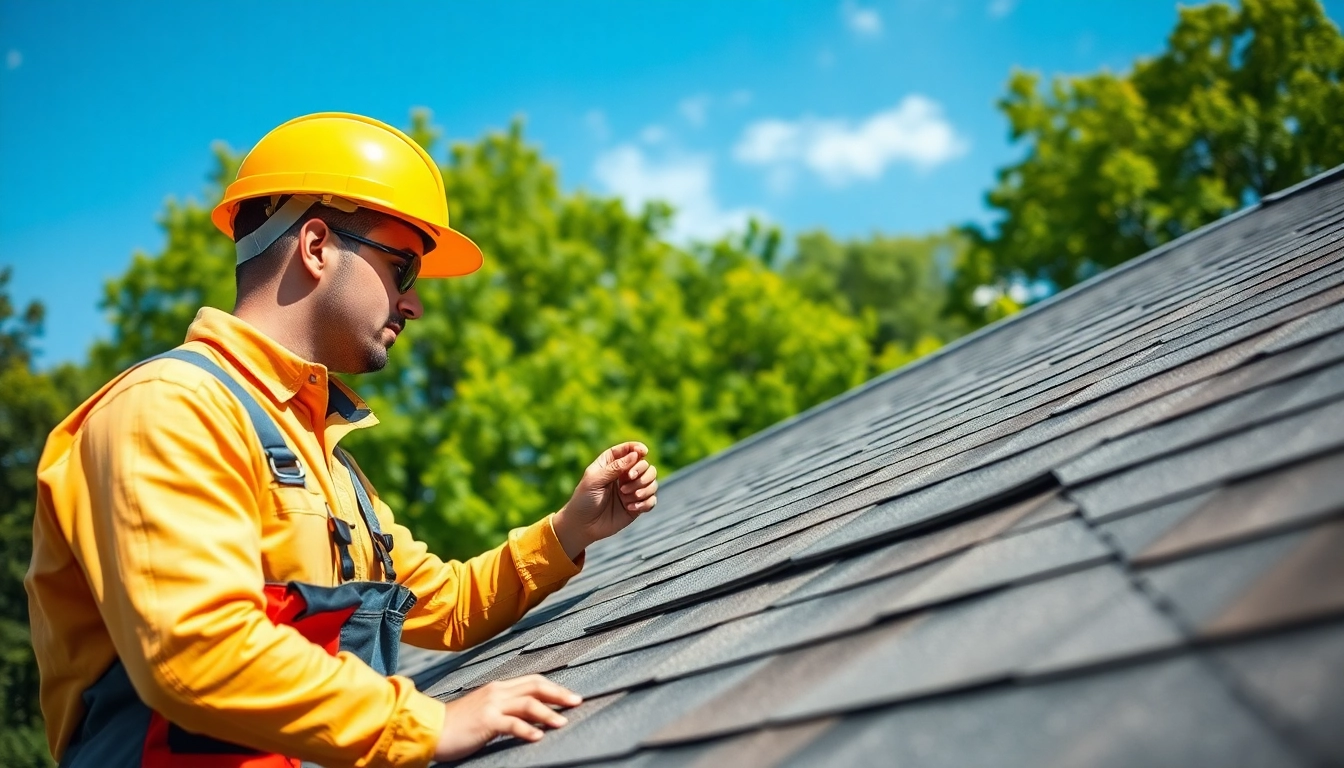
Understanding the Roofing Landscape in South Jersey
The roofing landscape in South jersey is rich and varied, influenced by a combination of local climate conditions, building regulations, and the type of materials used. Whether you are a homeowner looking to replace your roof or simply maintain it, understanding the fundamentals of roofing in this area can empower you to make informed decisions. Below, we delve into some critical aspects of roofing, starting with the various materials used in South Jersey.
Overview of Roofing Materials
In South Jersey, homeowners have access to a wide range of roofing materials, each with its own advantages and disadvantages. Commonly used materials include:
- Asphalt Shingles: Known for their affordability and ease of installation, asphalt shingles are prevalent in residential roofing. They offer good protection but may need replacement every 15–30 years.
- Metal Roofing: Increasing in popularity due to its longevity and energy efficiency, metal roofs can last up to 50 years or more. They reflect sunlight, helping to reduce energy costs.
- Clay and Concrete Tiles: While more expensive, these materials provide exceptional durability and aesthetic appeal, often found in Mediterranean-style homes.
- Wood Shingles: These provide a natural look but require more maintenance than asphalt. They are also less fire-resistant and may not be suitable for all areas.
- Synthetic Roofing: Made to mimic other materials, synthetic roofs can offer high performance while being lighter and more environmentally friendly.
Choosing the right material often depends on personal preference, budget, and the specifics of your home and local environment.
Climate Considerations for Roofs
Climate plays a vital role in determining the best roofing material for your home. South Jersey experiences a humid subtropical climate, characterized by hot summers and cold winters. This fluctuation can create unique challenges for roofing systems:
- Heat and Humidity: During summer, high humidity levels can lead to the growth of mold and algae, particularly on softer materials like asphalt shingles. Opting for treated shingles can mitigate this issue.
- Winter Weather: Ice dams formed in the winter months can lead to significant roof damage. Consider materials that can withstand ice buildup, and ensure your roof has a proper slope for drainage.
- Wind Resistance: Coastal storms can pose risks, so materials must be chosen for their wind resistance, with specific attention to installation techniques to prevent lift-off.
Local Building Codes and Regulations
Understanding and adhering to local building codes is essential in South Jersey when it comes to roofing projects. Building codes stipulate regulations regarding materials, structural integrity, and safety standards. Some key aspects include:
- Permits: Most roofing projects require permits. Check your local jurisdiction for specific guidelines.
- Material Restrictions: Some areas might have restrictions on certain materials, especially in regions vulnerable to storms and high winds.
- Energy Codes: Increasingly, energy efficiency is a significant component of roofing regulations. Materials must meet specific energy standards to improve insulation and reduce heating and cooling costs.
Common Roofing Issues in South Jersey
Even the best roof materials can encounter issues over time. Understanding common roofing problems in South jersey helps homeowners make timely repairs.
Identifying Roof Damage
Regular inspections can help homeowners identify roof damage early. Common signs of damage include:
- Missing Shingles: Often a result of wind or age, missing shingles can expose underlayment to more severe damage.
- Leaks or Water Stains: Interior water stains or damp spots can indicate a leak, typically found around chimneys or vents.
- Granules in Gutters: Finding granules in gutters or at the base of your home may indicate aging shingles.
Managing Roof Leaks Effectively
Roof leaks require immediate attention to prevent further structural damage. If you suspect a leak:
- Identify the Source: Inspect the roof area corresponding to the interior leak. Look for compromised areas, cracked seals, or missing flashing.
- Temporary Fixes: Use roofing tape or tarp as a temporary fix until a professional can assess the situation.
- Regular Maintenance: Ensure gutters and downspouts are clean to maintain proper drainage and reduce leak risks.
Preparedness for Severe Weather
Severe weather conditions are a reality in South Jersey, especially during hurricane season. Preparations include:
- Regular Inspections: Schedule inspections before storm seasons to ensure your roof can withstand high winds and rain.
- Secure Loose Items: Make sure to remove or secure any loose roof features like satellite dishes or antennas.
- Emergency Repairs Kit: Have materials on hand for quick repairs, such as tarps and roofing tape, to address damage immediately.
Choosing the Right Contractor in South Jersey
Selecting a skilled roofing contractor is pivotal for successful roof installation or repair. Here are some key considerations.
Qualities of a Reliable Roofing Contractor
A trustworthy roofing contractor in South Jersey should exhibit the following qualities:
- Licensing and Insurance: Always verify that contractors are licensed and have insurance for liability and workers’ compensation.
- Experience: A contractor with extensive experience in the local area will understand specific challenges and requirements.
- References: Seek out reviews or references from previous clients to gauge satisfaction and quality of work.
Collecting and Comparing Estimates
When receiving estimates from contractors, consider the following:
- Itemized Breakdown: Ensure the estimate provides a detailed breakdown of materials and labor costs for transparency.
- Timeline: Ask how long the project will take and discuss what could impact scheduling.
- Warranty Options: Understand warranty coverage on both materials and workmanship to protect your investment.
Importance of Reviews and References
Reviews and references are invaluable resources when choosing a contractor. They provide real-world insights into the contractor’s reliability, quality, and customer service. Platforms like Google, Yelp, and Angie’s List can give you a broad spectrum of opinions and experiences.
Performing Routine Roof Maintenance
Routine roof maintenance is essential for prolonging the life of your roofing system. Investing time and resources in maintenance can save you money in the long run.
Seasonal Maintenance Tips
Different seasons present unique challenges for roofing maintenance:
- Spring: Inspect for winter damage, clear debris, and check gutters for blockages.
- Summer: Ensure ventilation is adequate to combat heat buildup and avoid mold growth.
- Fall: Clean gutters and downspouts, and ensure leaves do not accumulate on the roof.
- Winter: Keep an eye on the formation of ice dams and ensure snow is removed when it accumulates excessively.
DIY Inspection Techniques
Homeowners can conduct simple DIY inspections by:
- Using binoculars to examine the roof from the ground, looking for missing shingles or discoloration.
- Checking the attic for signs of water stains or sagging, which could indicate leaks.
- Performing a gutter check to ensure they are clear and redirecting water appropriately.
Benefits of Professional Maintenance Services
While DIY inspections are helpful, professional maintenance services offer several benefits:
- Comprehensive Assessments: Professionals can spot issues that an untrained eye might miss.
- Expert Repairs: They can provide immediate solutions to problems spotted during inspections.
- Long-term Care: Regularly scheduled maintenance from professionals prolongs the lifespan of your roof and assures optimal functioning.
FAQs about Roofing in South Jersey
What are the most common roofing materials used?
The most common roofing materials in South Jersey are asphalt shingles, metal, wood, and clay tiles. Each offers distinct advantages based on durability, cost, and aesthetics.
How often should I have my roof inspected?
It’s advisable to inspect your roof at least twice a year, typically in the spring and fall. After severe weather, an inspection is also recommended to check for damage.
What can I do to prevent roof leaks?
Regular maintenance, cleaning gutters, inspecting flashing, and ensuring proper ventilation can significantly reduce the risk of roof leaks.
What is the average lifespan of a roof?
The lifespan varies by material: asphalt shingles last 15-30 years, while metal roofs can last 50 years or more with proper maintenance.
When is the best time to replace my roof?
The best time to replace your roof is during mild weather, typically in late spring or early fall when temperatures are moderate and conditions are stable.