
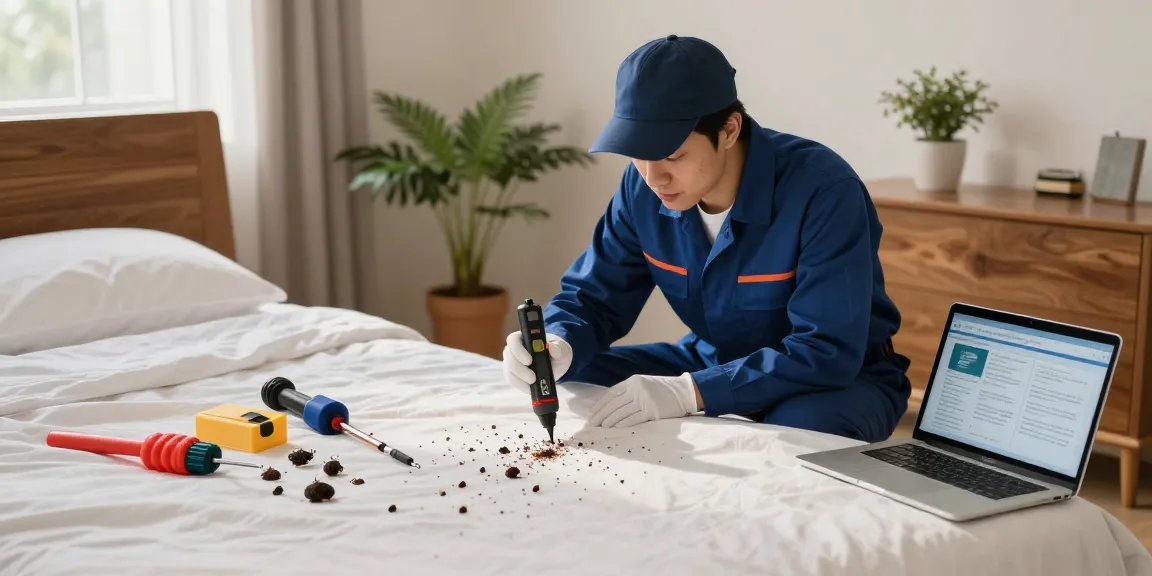
Understanding Bed Bugs and Their Behavior
Bed bugs, known scientifically as Cimex lectularius, are small, parasitic insects that feed solely on the blood of humans and animals. Their presence has become increasingly prevalent in urban settings, adapting to modern travel and living conditions. Milwaukee, like many cities, faces challenges with these pests, making proper bed bug control methods essential for maintaining a pest-free environment. Understanding their habits, signs of infestations, and the most effective treatment options is crucial for effective management and prevention.
What are Bed Bugs and How Do They Infest Homes?
Bed bugs are wingless insects that are roughly the size of an apple seed. They thrive in environments where humans sleep. These pests typically enter homes through infested luggage, clothing, or used furniture. Once inside, they find refuge in mattresses, box springs, bed frames, and even behind baseboards or within wall cracks. Their resilience and ability to reproduce quickly (a female can lay hundreds of eggs in her lifetime) make them a formidable foe for homeowners.
Common Signs of Bed Bug Infestations
Being able to recognize the signs of a bed bug infestation is key to addressing the problem before it escalates. Common indicators include:
- Small, reddish-brown insects visible to the naked eye.
- Dark spots on bed linens or mattresses, typically bed bug excrement.
- Blood stains from crushed bugs on sheets or pajamas.
- Clusters of itchy, red welts on the skin, often appearing in a line.
If you suspect an infestation, prompt action can save you from more extensive damage and discomfort.
Understanding Bed Bug Habits: Where They Hide
Bed bugs are elusive creatures, expertly hiding during the day and emerging at night to feed. They prefer to conceal themselves in tight spaces like:
- Mattress seams and tags
- Box springs
- Bed frames
- Couches and chairs, especially in seams and cushions
- Cracks in walls or wooden furniture
Understanding their hiding spots is vital for effective detection and treatment, making regular inspections a necessary part of home maintenance.
Effective Bed Bug Control Methods
Once an infestation has been identified, choosing the right control method is critical. Multiple strategies exist, ranging from professional extermination services to DIY treatments. This section will explore the efficacy of each approach in detail.
Overview of Heat Treatment for Bed Bugs
Heat treatment is considered one of the most effective methods for eliminating bed bugs at all life stages, including eggs. This method involves raising the temperature of an infested area to a level that is lethal to bed bugs (above 120°F/49°C). The benefits of heat treatment include:
- Eco-friendliness: It does not require the use of harmful chemicals.
- Comprehensive results: Kills bugs in hidden areas that sprays may miss.
- Minimal disruption: Typically completed in one day, allowing families to return to normalcy quickly.
Additionally, heat treatment can also eliminate other allergens, contributing to a healthier living environment.
Chemical Treatments: Pros and Cons
Chemical treatments involve using potent insecticides that remain active for longer periods, providing a protective barrier against re-infestation. Common chemicals include pyrethroids and neonicotinoids. However, while effective, these treatments come with their own set of challenges:
- Pros:
- Can offer long-term protection, often lasting up to 120 days.
- Effective against a wide range of pests.
- Cons:
- Bed bugs are developing resistance to some chemical treatments.
- Improper application can pose health risks to humans and pets.
- Full preparation is often required before treatment.
Choosing the right chemical solutions requires expert guidance to ensure both safety and effectiveness.
Integrated Pest Management Strategies
Integrated Pest Management (IPM) combines multiple strategies to tackle bed bug infestations sustainably. It often includes:
- Regular inspections and monitoring for signs of bed bugs.
- Using a combination of heat and chemical treatments to ensure comprehensive elimination.
- Educating clients on preventive measures such as proper laundry techniques and decluttering.
This holistic approach not only addresses the current infestation but also prevents future occurrences.
Choosing the Right Bed Bug Control Service
When faced with an infestation, selecting a professional extermination service is essential. Not all exterminators offer the same level of expertise and effectiveness. Here’s what to consider:
What to Look for in a Professional Exterminator
Ensure the pest control company you choose has experience specifically with bed bugs, as the treatment methods can differ greatly from other pests. Key factors include:
- Trained and certified technicians who understand bed bug biology and behavior.
- Positive customer reviews and testimonials that reflect successful treatments.
- Comprehensive service options, including heat treatment, chemical sprays, and integrated pest management.
With the right professional team, homeowners can feel confident in achieving successful elimination.
Evaluating Customer Reviews and Testimonials
Customer feedback is invaluable in selecting a service provider. Look for reviews that mention:
- Effectiveness of the treatment methods used.
- Quality of customer service throughout the process.
- Follow-up services that ensure long-term pest control.
Transparent feedback from previous clients provides insight into the company’s reliability and success rate.
Cost vs. Value: What to Expect?
While cost is an important consideration, it should not be the sole factor in selecting a pest control service. Opting for the cheapest option can lead to ineffective treatments and increased long-term expenses. Instead, consider the value offered:
- The comprehensiveness of the treatment plan.
- The use of modern technology and experienced technicians.
- Guarantees for continued satisfaction and results.
Investing in quality services often leads to greater peace of mind and effective pest elimination.
DIY Bed Bug Control Techniques
Many homeowners search for DIY solutions when faced with a bed bug infestation. While some techniques can provide immediate relief, they often have limitations that should be recognized.
Limitations of DIY Methods You Should Know
DIY methods, such as using alcohol or essential oils, may kill individual bugs but typically fail to eradicate the entire infestation. Limitations include:
- Inability to reach all hiding spots, resulting in missed bugs.
- Short-term solutions that do not provide lasting protection.
- Potential risks associated with toxic substances if not used properly.
Understanding these limitations is crucial to effectively manage bed bugs.
Detailed Steps for Effective DIY Control
If you choose to attempt a DIY approach, follow these outlined steps to minimize the infestation:
- Declutter your space: Remove items from the infested area to allow for thorough cleaning.
- Vacuum thoroughly: Use a vacuum with a bag that can be disposed of immediately after.
- Wash bedding and clothing: Use hot water and high heat to kill any bugs or eggs.
- Seal cracks and crevices: Use caulk or sealant to block potential hiding spots.
- Consider non-toxic traps: These can help catch and monitor bed bug activity.
These steps can aid in controlling the population but may not eliminate it entirely, making professional assistance advisable.
When to Call Professionals: Recognizing Severity
Recognizing when to call in the professionals is essential. If you notice:
- Clusters of bites on your body that do not improve.
- Increasing numbers of visible bed bugs despite your interventions.
- Persistent signs of infestations after attempting DIY treatments.
It’s time to reach out to specialists. Timely intervention can prevent a minor problem from becoming a major infestation.
Future Trends in Bed Bug Control for 2026
As we move further into 2026, bed bug control is expected to evolve with technology and sustainability in mind. Innovative approaches and heightened awareness will shape future pest management strategies.
Emerging Technologies in Pest Control
With advancements in technology, innovative pest control methods are being developed. Future solutions may include:
- Smart traps that can detect and report bed bug activity.
- AI-driven inspection tools that enhance detection accuracy.
- Biological control agents that introduce natural predators for bed bugs.
These technologies aim to provide more effective and less invasive treatment options.
Sustainability Practices in Bed Bug Treatment
As society becomes increasingly concerned about environmental impacts, sustainable pest control practices will gain importance. Future strategies may integrate:
- Eco-friendly treatments that reduce chemical use.
- Increased emphasis on preventative measures to reduce the need for treatments.
- Community education programs on recognizing early signs of infestations.
Companies will focus on balancing efficacy with ecological responsibility.
Predictions for Bed Bug Resistance and Control Measures
With growing reports of bed bug resistance to certain chemical treatments, it’s vital to anticipate future challenges. Pest control methods will have to adapt through:
- Continuous research into effective treatments that remain potent against resistant strains.
- Use of combination treatments that utilize heat and chemicals in tandem.
- Ongoing training for pest control professionals to stay updated on the latest techniques.
Being proactive will be key to maintaining effective bed bug control in the years ahead.
FAQs About Bed Bug Control
Here’s a compilation of frequently asked questions regarding bed bug control, providing clarity and insights.
What are the best bed bug control products?
The effectiveness of bed bug control products can vary greatly. Professional insecticides tend to offer the best results due to their potency and residual action. However, combining these with monitoring tools, such as bed bug traps, can enhance effectiveness.
How long does bed bug treatment take to work?
The time it takes for treatment to show results can depend on the method used. Heat treatment often delivers immediate results, while chemical sprays may take several days to eliminate the infestation completely.
Can bed bugs survive without a host?
Yes, bed bugs can survive for several months without feeding, making them particularly resilient. This survival ability can complicate treatment efforts.
What preventive measures can I take against bed bugs?
Preventive measures include regularly inspecting bedding, reducing clutter, using protective mattress encasements, and being cautious when traveling to avoid bringing bed bugs home.
How do I know if my bed bug treatment was successful?
Success can be determined through a lack of signs of bed bug activity, such as bites or visible bugs, and confirmed by follow-up inspections from pest control professionals.