
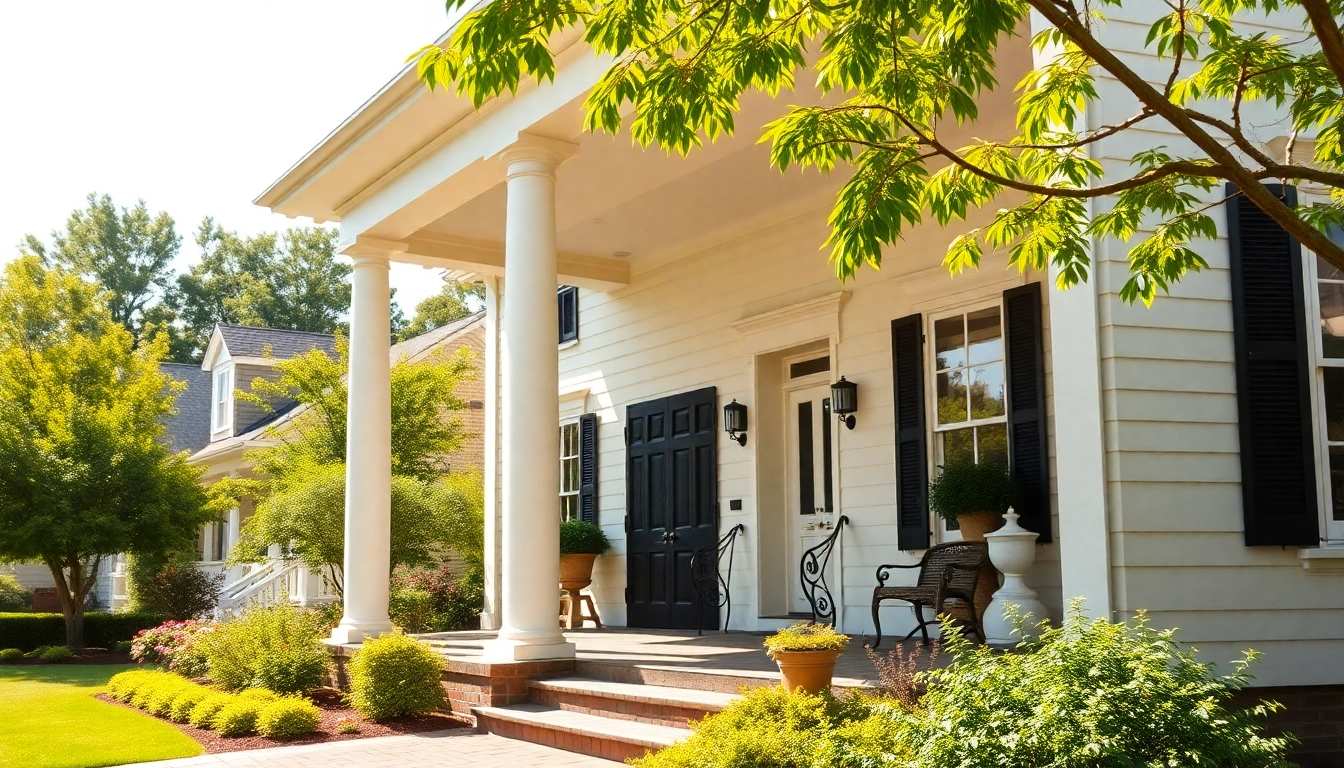
Understanding Colonial Home Renovation
What is Colonial Home Renovation?
Colonial home renovation refers to the process of updating, restoring, or preserving homes that were originally built in the Colonial architectural style. This style, which has its roots in the early American settlers’ designs, features characteristics such as symmetrical facades, gabled roofs, and distinctive window styles. Renovating a colonial home often involves careful planning that honors the historical integrity of the structure while accommodating modern conveniences and aesthetic preferences. Many homeowners embark on this journey not just to enhance their living space but to maintain the rich cultural heritage embodied within these walls. A successful colonial home renovation combines the old-world charm with contemporary functionality, ensuring the home remains an appealing space for both current family needs and future generations.
The Importance of Maintaining Historic Integrity
When undertaking a colonial renovation, preserving historic integrity is paramount. Each colonial home has a story, often reflecting the era in which it was built, the materials available, and the craftsmanship of its builders. By maintaining this integrity, homeowners not only protect the building’s unique character but also contribute to the historical narrative of their community. Additionally, many municipalities have regulations in place to protect historic homes, which can influence renovation choices significantly.
Focusing on authentic materials, appropriate colors, and historically accurate architectural details ensures that renovations respect the original vision of the home. The balance between renovation and restoration can be delicate; thus, consulting with specialists in historic preservation may be beneficial.
Key Elements in Colonial Architecture
Colonial architecture is rich with distinctive features that define its classic style. Key elements include:
- Symmetrical Facades: Colonial homes typically feature a balanced appearance, with doors located in the center and windows evenly spaced on either side.
- Gabled Roofs: Steeply pitched roofs often topped with decorative dormers are common, enhancing the home’s profile.
- Chimneys: Central or end chimneys are characteristic of colonial architecture, often serving as focal points.
- Materials: Traditional colonial homes were typically built with wood, brick, or stone, reflecting the local resources available at the time.
- Windows: Multi-pane double-hung windows, sometimes with shutters, provide function and aesthetic appeal.
Planning Your Colonial Home Renovation
Setting a Realistic Budget for Renovation
Financial planning is crucial when renovating a colonial home. A realistic budget should encompass various factors, such as materials, labor, permits, and unexpected repairs. Renovation costs can vary widely, often ranging from $100 to $200 per square foot, depending on the project’s scope and the home’s condition. Homeowners should consider whether they want to retain original features, which might increase costs, or implement contemporary upgrades that could simplify renovations.
A detailed budget also involves setting aside a contingency fund, typically around 10-15% of the total renovation costs, to mitigate unforeseen expenses. Engaging in thorough market research and obtaining multiple quotes from contractors can provide clarity on realistic financial expectations and help avoid overruns.
Choosing a Design Style that Honors Tradition
While it’s essential to modernize certain aspects of a colonial home, selecting design styles that pay homage to their roots is equally important. Many homeowners opt for a blend of restoration and renovation, incorporating features that reflect both historic styles and contemporary aesthetics. Elements such as paint colors, flooring choices, and kitchen designs can significantly influence the overall feel of the space.
Consulting with design professionals who specialize in Colonial architecture can guide homeowners in making choices that resonate with both personal style and historical authenticity. Using mood boards or design software can help visualize potential changes, ensuring harmony in the renovation process.
Hiring Professionals vs. DIY Approaches
Deciding whether to hire professionals or undertake DIY renovations can profoundly affect the outcome of a colonial home project. Professionals bring expertise, particularly in handling materials and design elements that are crucial for preserving the home’s character. They can also navigate permits, inspections, and other regulations more efficiently than most DIYers.
However, some homeowners may prefer a DIY approach to save costs or enjoy the hands-on experience. While DIY renovations can be rewarding, they come with risks. Miscalculations and poor execution can inadvertently detract from the home’s value and aesthetic. A balanced approach, where professionals handle complex elements and homeowners engage in smaller, manageable projects, often proves effective.
Essential Features of Colonial Home Renovation
Identifying and Restoring Original Details
One of the most rewarding aspects of a colonial home renovation is uncovering and restoring original details. This could include features like ornate moldings, handcrafted banisters, or antique hardware. Preservation of these elements not only enhances the historical value but also enriches the home’s character. Homeowners may consult with restoration experts who can evaluate existing materials and suggest restoration methods and techniques, such as stripping paint or refinishing wood, that respect the original craftsmanship.
Additionally, detailed documentation of original styles can assist homeowners in making informed decisions about the restoration process. Maintaining records of all changes ensures that any renovations respect the home’s heritage.
Incorporating Modern Amenities While Preserving Character
Modern amenities are essential for current lifestyles, yet integrating them in a way that maintains the colonial home’s character is key. For instance, kitchens and bathrooms often require updates to meet modern standards. These areas can be successfully modernized by using period-appropriate fixtures, cabinetry, and tiles that complement the home’s overall aesthetic.
Energy-efficient appliances and smart home technology can also be included. These advancements can be strategically hidden or designed to mimic traditional styles, ensuring they do not disrupt the historical appearance.
Common Materials and Finishes in Colonial Design
The materials used in colonial home renovations play a significant role in achieving the desired authenticity. Common materials include:
- Wood: Often used for framing, flooring, and millwork, wood finishes can vary from rich mahogany to sturdy oak, reflecting traditional craftsmanship.
- Brick: Many colonial homes feature brick exteriors, lending durability and classic appeal.
- Natural Stone: Stone is often utilized for foundations, chimneys, and sometimes as interior finishes.
- Paint: Traditional colonial colors, such as muted greens, blues, and whites, reflect period accuracy and enhance curb appeal.
Best Practices for Colonial Home Renovation
Handling Permits and Regulations
Understanding local zoning laws, building codes, and historic preservation regulations is vital in colonial home renovation. Each municipality has different requirements, which can impact everything from exterior alterations to structural changes. Homeowners should approach their local building department early in the planning process to obtain necessary permits and ensure that all renovations adhere to legal and safety standards. Engaging a knowledgeable contractor or architect familiar with these regulations can expedite the process and mitigate potential issues down the line.
Working with Respect for Neighborhood Aesthetics
Every colonial home sits within a community, and it’s essential to approach renovations with an awareness of neighborhood aesthetics. Extensive renovations should consider the visual impact on neighbors and the character of the entire area. Engaging in community forums or discussions can provide insights into local values and preferences, ensuring that renovations contribute positively rather than detracting from the overall charm and coherence of the neighborhood.
Collaborating with local historic societies can also provide guidance on best practices and innovative ideas, integrating the individual style of your home with communal heritage.
Case Studies: Successful Colonial Renovations
Examining successful case studies can provide invaluable insights into effective techniques and potential pitfalls. For instance, a colonial home in a New England village underwent a renovation where original details were preserved, such as wide pine floorboards and hand-hewn beams, while modernizing kitchen layouts and energy systems. The homeowners prioritized sustainable materials that aligned with historical aesthetics, offering a functional yet true-to-form colonial experience.
In another instance, an old farmhouse transitioned from a dilapidated state to a livable space, emphasizing outdoor living by restoring original porches and enhancing landscaping with native plants. Both cases exemplify a blend of history and modern needs, demonstrating the benefits of thoughtful planning and execution in colonial home renovations.
Frequently Asked Questions about Colonial Home Renovation
What are the costs involved in a colonial home renovation?
Costs can vary widely based on the scope and scale of the project but typically range from $100 to $200 per square foot.
How can I ensure my renovation maintains historical accuracy?
Research original architectural styles and consult preservation guidelines or experts in historic renovations to ensure accuracy.
Are there any specific materials suited for colonial homes?
Common materials include wood, brick, and natural stone, often painted in traditional colonial colors like whites and blues.
How long does a typical colonial home renovation take?
The timeline can vary from three months to over a year, depending on the project size and complexity.
Can I incorporate modern elements in a colonial renovation?
Yes, modern elements can be seamlessly integrated, provided they complement the historical aesthetic without overwhelming it.