The Unique Characteristics of Boutique Wines in Long Island
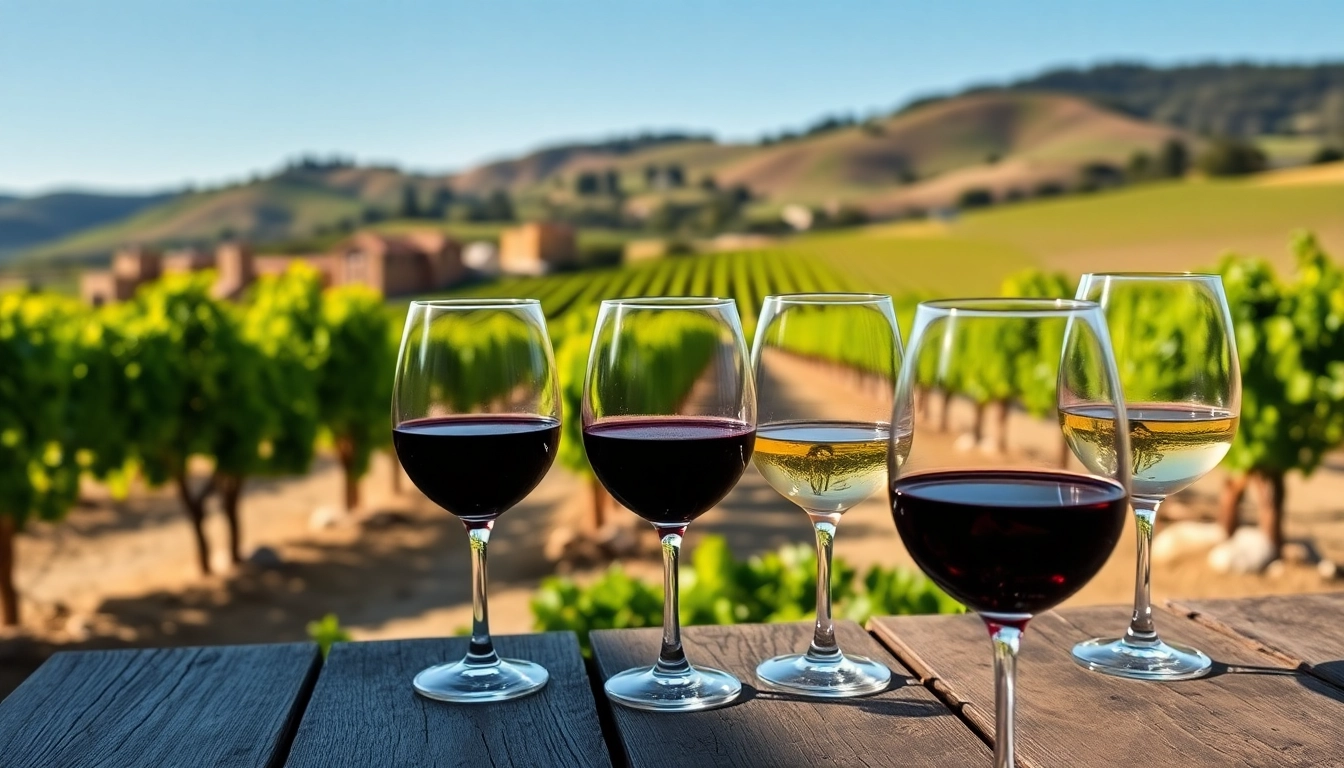
Long Island's boutique wine scene is a hidden gem within the vast landscape of American viticulture. Renowned for its diverse terroir, innovative winemaking techniques, and commitment to quality, this region produces wines that not only capture the essence of the land but also showcase the dedication of small-scale producers. When exploring options, Boutique wines in long island offer unique profiles that are increasingly sought after by connoisseurs and casual drinkers alike.
Understanding Boutique Wines: Definition and Features
Boutique wines are often produced by smaller wineries that prioritise quality over quantity. These wines typically come from carefully tended vineyards where attention to detail is paramount. The defining features of boutique wines include:
- Low Production Volumes: Boutique wineries generally produce fewer than 10,000 cases annually.
- Focus on Terroir: They reflect the specific characteristics of the vineyard’s location, including soil type, climate, and weather.
- Handcrafted Methods: Small-scale producers often use traditional winemaking techniques, with minimal intervention.
- Unique Varietals: These wineries frequently experiment with lesser-known grape varieties, providing a distinct alternative to mass-produced wines.
The Terroir of Long Island: Influencing Wine Quality
The terroir of Long Island plays a crucial role in shaping its boutique wines. The interplay of climate, soil, and topography creates ideal conditions for grape cultivation. The region's maritime climate, influenced by the Atlantic Ocean, helps to moderate temperatures, allowing for a longer growing season that is essential for developing complex flavours. The diverse soil types, ranging from sandy loam to clay, contribute significantly to the unique characteristics of the wines produced here.
Types of Boutique Wines Produced in Long Island
Long Island's boutique wineries produce a variety of wine styles that cater to different palates. Some of the most notable types include:
- Chardonnay: Often characterised by its crisp acidity, Long Island Chardonnay can exhibit a range of flavours from green apple to tropical fruit.
- Merlot: This varietal thrives in the region’s climate, resulting in rich, velvety reds with notes of plum and spice.
- Cabernet Franc: Known for its herbal aromas and structured tannins, this grape performs exceptionally well in Long Island's terroir.
- Rosé: The region has gained recognition for its dry Rosé, which offers refreshing berry flavours perfect for summer sipping.
The Process of Crafting Boutique Wines
From Vineyard to Glass: The Winemaking Journey
The journey of boutique wines begins in the vineyard, where each vine is nurtured to ensure optimal growth. Vineyard practices such as canopy management, sustainable farming, and careful harvesting play a vital role in the overall quality of the grapes. Once harvested, the grapes undergo meticulous sorting and pressing before fermentation, followed by ageing in barrels to develop complexity. Each step in this process reflects the winemaker’s philosophy and attention to detail.
Innovative Techniques in Small-Scale Wine Production
Many boutique winemakers are embracing innovative techniques to enhance the quality of their wines. These include organic and biodynamic farming practices, which focus on maintaining a balanced ecosystem in the vineyard. Additionally, some wineries are experimenting with natural fermentation and alternative ageing vessels, such as concrete eggs or amphorae, which impart different flavours and textures to the wine.
Importance of Harvest Timing and Grapes Selection
Harvest timing is critical to the success of boutique wines. Winemakers carefully monitor the ripeness of the grapes to ensure they are picked at their peak flavour profiles. The selection of grape varieties is also crucial; boutique wineries often choose to plant lesser-known varietals alongside traditional ones, allowing them to create unique blends that reflect the specific characteristics of their terroir.
The Role of Boutique Wineries in the Local Economy
Supporting Local Agriculture and Small Businesses
Boutique wineries play an essential role in supporting local agriculture and businesses. By sourcing grapes from local farms and employing regional workers, these wineries contribute significantly to Long Island's economy. Their operations foster community connections and help preserve the agricultural landscape, ensuring that the region continues to thrive.
Tourism Boost: Visiting Long Island's Wineries
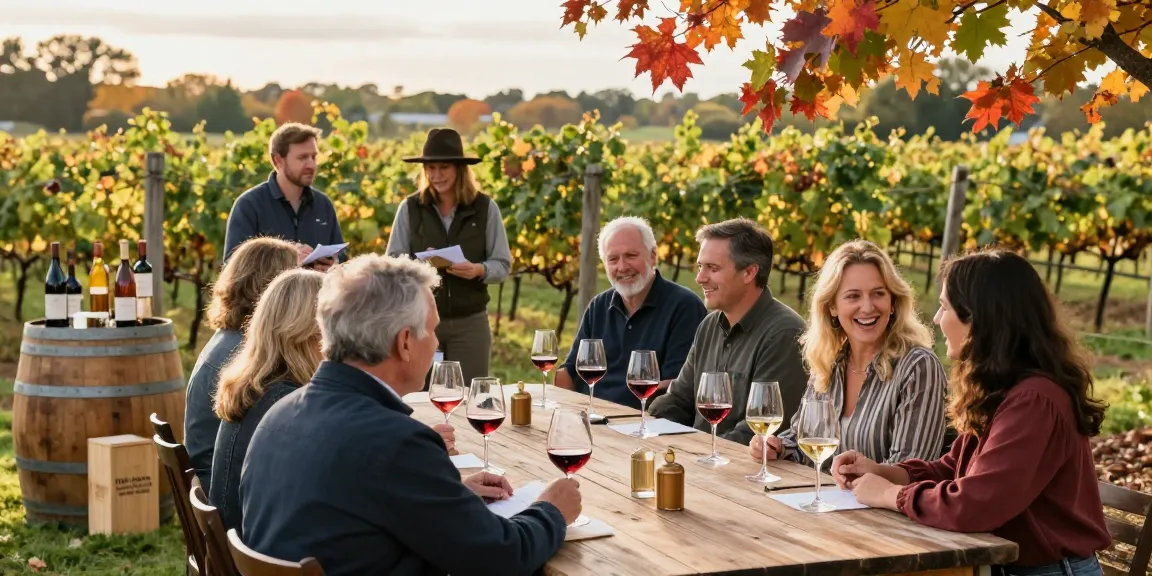
The picturesque landscapes and engaging experiences offered by Long Island's boutique wineries attract tourists from around the region and beyond. Wine tours, tastings, and special events provide visitors with the opportunity to immerse themselves in the local wine culture while boosting the economy. As awareness of Long Island's boutique wines grows, so does the influx of tourism, benefiting not just the wineries but surrounding restaurants, hotels, and shops as well.
Community Engagement and Sustainable Practices
Many boutique wineries actively engage with their communities and emphasise sustainability. From hosting educational events to participating in local markets, these enterprises foster strong connections with residents and visitors alike. Additionally, sustainable practices, such as water conservation and renewable energy use, are becoming increasingly common, showcasing the wineries' commitment to protecting the environment.
Tasting and Pairing Boutique Wines Effectively
Best Practices for Tasting Boutique Wines
To appreciate the nuances of boutique wines, it's essential to adopt proper tasting techniques. Begin by observing the wine's colour and clarity, followed by a gentle swirl to release its aromas. Take a moment to inhale deeply, identifying the different scents before taking a sip. Pay attention to the wine's structure, including acidity, tannins, and finish, as these elements contribute to its overall character.
Food Pairings that Enhance Wine Flavours
Pairing boutique wines with the right foods can elevate the tasting experience. Some general pairing principles include:
- White Wines: Pair Chardonnay with seafood dishes or creamy pasta for a harmonious balance.
- Red Wines: Merlot complements grilled meats and hearty pasta sauces beautifully.
- Rosé: This versatile wine pairs well with salads, charcuterie, and light summer dishes.
Creating Memorable Wine Tasting Experiences
To create memorable wine tasting experiences, consider hosting events that showcase the uniqueness of boutique wines. Selecting a theme, such as local food pairings or a vertical tasting of a specific varietal, can enhance the experience. Engage participants by offering educational insights about the wines’ origins, production methods, and tasting notes.
Future Trends for Boutique Wines in Long Island
Emerging Varieties and Consumer Preferences
The future of boutique wines in Long Island is promising, with emerging grape varieties capturing the attention of consumers. As palates shift towards more diverse and authentic options, winemakers are increasingly exploring lesser-known varietals, creating exciting blends that appeal to adventurous wine drinkers.
Impact of Climate Change on Wine Production
Climate change poses both challenges and opportunities for Long Island's wine producers. As temperatures continue to rise, wineries may need to adapt their practices to ensure grape quality remains high. This could involve shifting to more heat-tolerant varietals or adjusting vineyard management techniques.
Technological Innovations in Wine Marketing and Sales
Technological advancements are reshaping how boutique wines are marketed and sold. Online retail platforms and social media channels play a crucial role in reaching consumers, especially in a post-pandemic world. Wineries are adopting digital marketing strategies, utilising storytelling to connect with their audience and foster a loyal customer base.
What Makes Boutique Wines Unique?
Boutique wines are distinguished by their artisanal approach to winemaking. The commitment to quality, unique varietal selection, and a strong sense of place contribute to their character. Consumers seeking authenticity and distinctive flavours often turn to these wines as a way to experience the essence of a vineyard and its surroundings.
How to Choose the Right Boutique Wine?
Choosing the right boutique wine can be an enjoyable adventure. Start by considering your personal taste preferences—do you favour white, red, or rosé? Next, explore local wineries and their offerings, taking note of any unique varietals that pique your interest. Finally, rely on recommendations from knowledgeable staff or fellow wine enthusiasts to discover hidden gems.
Are Boutique Wineries Sustainable?
Sustainability is a core principle for many boutique wineries. By employing environmentally friendly practices, such as organic farming, water conservation, and reduced carbon footprints, these wineries demonstrate their commitment to preserving the land for future generations. This focus on sustainability not only enhances wine quality but also appeals to environmentally conscious consumers.
What is the Health Benefit of Boutique Wines?
Boutique wines, crafted with minimal intervention and often from organic grapes, may offer certain health benefits compared to mass-produced options. Moderate consumption of wine has been associated with various health perks, including improved heart health and higher antioxidant levels, especially in red wines.
Can Boutique Wines Compete with Mass-Produced Wines?
Boutique wines can certainly compete with mass-produced wines when it comes to quality and uniqueness. While mass-produced wines prioritise consistency and affordability, boutique wines focus on character and craftsmanship. As consumers increasingly seek authentic experiences, boutique wines are carving out their niche in the market.