Overview of Sandakphu Trek
What is the Sandakphu Trek?
The sandakphu trek is a prominent trekking route in the Indian Himalayas, revered for its breathtaking views and diverse landscapes. As the highest point in West Bengal, at an elevation of 3,636 meters (11,930 feet), Sandakphu offers trekkers an unforgettable experience, combining moderate hikes with stunning panoramic vistas of some of the world's highest peaks. This trek spans approximately 50 kilometers and is primarily situated within the Kangchenjunga National Park, allowing adventurers to explore rich biodiversity while navigating through picturesque villages and lush forests.
Geographical Significance of Sandakphu
Situated in the Darjeeling range of the Himalayas, the Sandakphu trek holds geographical significance as it lies along the India-Nepal border. This unique positioning allows trekkers to experience a blend of cultures, linguistic diversity, and stunning landscapes. The region's climate differs greatly depending on elevation, with lower altitudes boasting subtropical vegetation and higher altitudes exhibiting alpine flora. The trek rewards adventurers with mesmerizing views, including four of the highest peaks in the world: Mount Everest, Kanchenjunga, Lhotse, and Makalu. This makes it a popular choice for enthusiasts seeking both challenge and beauty.
Why Choose the Sandakphu Trek?
Choosing the Sandakphu trek means embarking on a journey that is rewarding both physically and mentally. This trek is renowned not only for its accessibility to beginners and experienced trekkers alike but also for its diverse landscapes ranging from rhododendron forests to alpine meadows. The breathtaking sunrises and sunsets visible from Sandakphu, particularly over the majestic Himalayan ranges, are particularly captivating. Trekking through traditional villages allows for cultural immersion, providing insight into local customs and lifestyles. In addition, the overall trek experience, enriched by the hospitality of local communities, makes Sandakphu a compelling choice for nature lovers and adventure seekers.
Planning Your Sandakphu Trek
Ideal Seasons for Sandakphu Trek
The best times to undertake the Sandakphu trek are during the spring (March to April) and autumn (September to November) seasons. In spring, wildflowers bloom, creating vibrant scenery, while autumn offers clear skies and excellent visibility of the mountain peaks. Summer months can be rainy, which may obstruct views and create muddy trails, while winter is primarily suitable for experienced trekkers who can handle snow and harsh conditions. Consequently, it's vital for trekkers to plan accordingly and choose a season that aligns with their hiking abilities, preferences, and safety considerations.
Essential Gear and Preparations
Preparing for the Sandakphu trek requires careful selection of gear and adequate physical conditioning. Essential items include a sturdy pair of trekking boots with good grip, weather-appropriate clothing (layers for temperature changes), a waterproof jacket, and a warm hat and gloves for higher elevations. Trekking poles can also be beneficial for stability, especially during descents. Moreover, hydration packs or water bottles, snacks, a first aid kit, and a map or GPS device should not be overlooked. Prior to the trek, ensuring that you are in reasonable physical shape through cardio and endurance training is recommended to enhance the trekking experience.
Sample Itinerary for Sandakphu Trek
A typical itinerary for the Sandakphu trek spans around 6 days, beginning from the base camp and gradually ascending. Below is a sample itinerary:
- Day 1: Drive from Darjeeling to Dhbek, followed by a short trek to Tumling.
- Day 2: Trek from Tumling to Kalapokhari, enjoying views of the ridge.
- Day 3: Continue to Sandakphu, capturing views of Everest and Kanchenjunga.
- Day 4: An acclimatization day, with options to explore Phalut or enjoy local flora.
- Day 5: Descend past Kalapokhari to return to Tumling.
- Day 6: Conclude the trek and return to Darjeeling.
Exploring the Beauty Along the Sandakphu Trek
Stunning Landscapes and Views
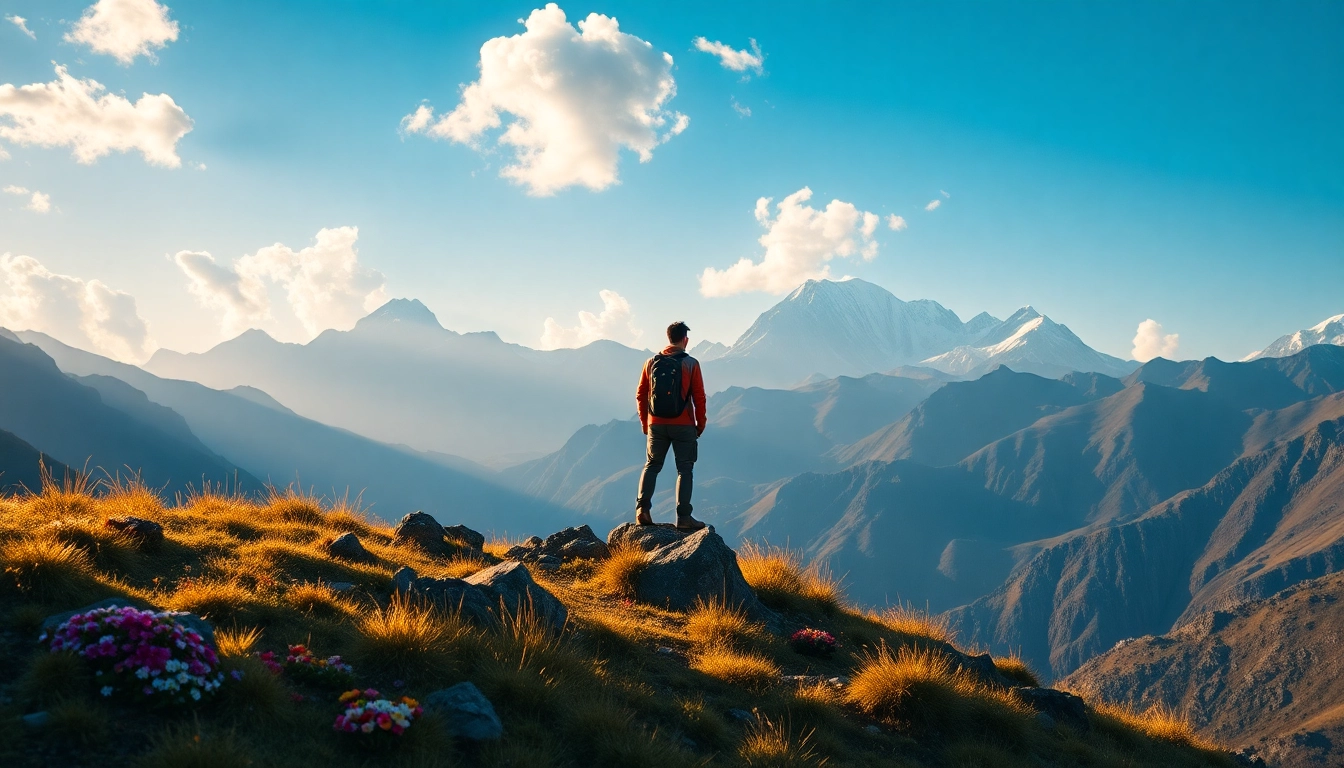
The Sandakphu trek showcases diverse and spectacular landscapes. As trekkers ascend the rugged terrains, they are greeted by sweeping views of lush green valleys, colorful wildflowers, and snowy peaks. The moment when the sun sets over the horizon, casting an orange-purple glow over the mountain range, is undoubtedly one of the most sublime moments of the journey. Trekking through the enchanting rhododendron forests, especially during spring when they are in full bloom, evokes a sense of magical wonder, with vivid colors adorning the landscape.
Wildlife and Flora on the Trek
The Sandakphu trek is not only a paradise for mountain enthusiasts but also for nature lovers. The route traverses through the rich biodiversity of the Kangchenjunga National Park, home to varied species of flora and fauna. Trekkers may encounter rare Himalayan species, such as the red panda, snow leopard, and various species of pheasants. The tapestry of plant life includes rhododendrons, magnolias, and alpine flowers, which add vibrancy, particularly in spring. Observing these species in their natural habitat is a unique and enriching part of the trek.
Encounters with Local Culture
One of the highlights of the Sandakphu trek is the opportunity to immerse oneself in the local culture. The trek features several quaint villages, each offering a glimpse into the lifestyle and customs of the local Lepcha and Sherpa communities. Visitors can experience traditional hospitality, witness local craftsmanship, and taste regional dishes. Engaging with residents fosters a connection to the land and its stories, enhancing the overall trekking experience while supporting local livelihoods.
Challenges of the Sandakphu Trek
Physical Fitness Requirements
Tackling the Sandakphu trek requires a moderate level of physical fitness. With daily treks covering significant distances and considerable elevation gains, preparation is essential. While the trek is rated as suitable for beginners, individuals need to assess their own fitness levels honestly. Engaging in consistent aerobic exercises, strength training, and practice hikes can significantly improve stamina, preparing trekkers for the rigors of long-distance travel in high altitudes.
Weather Conditions to Consider
Weather conditions on the Sandakphu trek can be unpredictable, necessitating that trekkers remain vigilant and well-informed. Sudden weather changes can lead to temperature drops, rain, or snow, particularly at higher elevations. It's essential to check weather forecasts and understand the region's climate patterns. Bringing appropriate clothing and gear, including waterproof jackets and thermal layers, will ensure safety and comfort throughout the hike.
Safety Tips for Trekkers
Ensuring safety while trekking is paramount. To minimize risks, trekkers should hike in groups rather than solo, carry a basic first-aid kit, and know how to respond to potential emergencies. Staying hydrated and well-nourished during the trek is critical to warding off altitude sickness. Regular breaks to rest and adjust to altitude changes are also recommended. Lastly, staying on marked trails can prevent getting lost in the rugged terrain.
Frequently Asked Questions about Sandakphu Trek
How hard is the Sandakphu trek?
The Sandakphu trek is rated as moderately difficult, suited for both beginners and seasoned trekkers. While it includes some steep ascents, most segments are relatively flat and manageable.
What gear do I need for Sandakphu trek?
Essential gear includes sturdy trekking boots, layered clothing for varying temperatures, a waterproof jacket, trekking poles, and a basic first-aid kit. Don't forget hydration supplies!
Is the Sandakphu trek suitable for beginners?
Yes, the Sandakphu trek is considered beginner-friendly, particularly if trekkers are in good physical shape. Proper preparation and gradual conditioning can enhance the experience.
What is the best time to do the Sandakphu trek?
The optimal months for the Sandakphu trek are from March to April and September to November. These periods offer clear skies, stunning views, and comfortable trekking conditions.
Can I see Everest from the Sandakphu trek?
Yes, trekkers can enjoy a breathtaking view of Mount Everest along with three other of the world's highest peaks: Kanchenjunga, Lhotse, and Makalu from Sandakphu.