
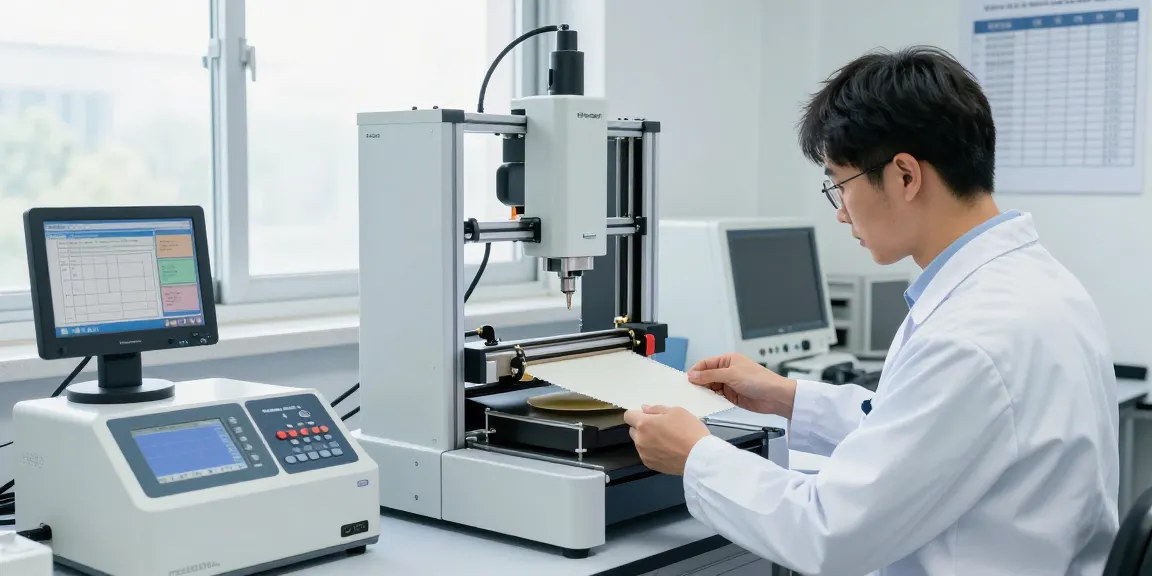
Understanding the Elmendorf Tear Tester
The elmendorf tear tester is an essential tool in the textile and materials testing industry, designed to assess the tear strength of various materials such as fabrics, plastics, and paper. This tester operates on a pendulum mechanism to measure the force required to propagate a tear, providing vital data for manufacturers concerned with the durability and quality of their products. With its increasing relevance in various manufacturing processes, understanding how the Elmendorf Tear Tester functions can greatly enhance the efficiency and accuracy of material testing.
What is the Elmendorf Tear Tester?
The Elmendorf Tear Tester, often referred to as a tearing strength tester, is a specialized instrument used to determine the tear strength of materials by measuring the force necessary to continue a tear once it has been initiated. This equipment is commonly applied in industries such as textiles, packaging, and paper production. By providing quantitative data, it helps manufacturers and quality control labs ensure that their products meet necessary performance standards.
How Does the Elmendorf Tear Testing Process Work?
The testing process begins by preparing a sample of the material, which is then clamped securely within the tester. A cutter provided with the tester creates a notch in the sample. Upon release, a pendulum swings from a predetermined height, utilizing gravitational force to tear the material at the notch. The energy lost during the pendulum’s swing is measured, which correlates to the material’s tear strength. This method is recognized for its precision and reliability, making it an industry standard.
Key Components and Features of the Elmendorf Tear Tester
- Pendulum Arm: The primary component that provides the kinetic energy needed for the test.
- Sample Clamps: Designed to hold the material securely, ensuring accurate results without slippage.
- Automatic Measurement System: Modern testers come equipped with digital interfaces that provide instant calculations and results.
- Safety Features: Dual-button activation keeps operators at a safe distance from the swinging pendulum, enhancing workplace safety.
Benefits of Using the Elmendorf Tear Tester
Accuracy and Precision in Tear Strength Measurements
One of the principal advantages of the Elmendorf Tear Tester is its high accuracy, typically to within ±0.2%. This precision is crucial for industries where material performance is critical. The setup is designed to minimize errors, allowing consistent and repeatable test results regardless of operator experience.
Time-Efficiency and Automation in Testing
This fully automated tester significantly reduces testing time by removing manual calculations and adjustments. Once the sample is placed, the tester recognizes the required parameters and performs the necessary calculations independently. This efficiency is not only advantageous for labs with high throughput but also ensures that results are less prone to human error.
Compliance with International Standards
Manufacturers across sectors are often required to comply with various international standards, such as ISO 13937-1 and ASTM D 1424. The Elmendorf Tear Tester meets these standards, ensuring that its results are recognized and accepted globally. This compliance facilitates smoother communication and trust across supply chains.
Choosing the Right Elmendorf Tear Tester
Evaluating Specifications and Capabilities
When selecting an Elmendorf Tear Tester, consider factors such as testing range, automation features, and compatibility with different materials. Testers can vary widely in terms of their capabilities; thus, understanding specific needs is essential to choose the right model for your applications.
Comparing Automated vs. Manual Models
Automated Elmendorf Tear Testers offer enhanced efficiency, user safety, and reduce the potential for error compared to their manual counterparts. While manual testers may be more cost-effective, they often require more time and operator training to achieve consistent results. Thus, weighing the initial investment against long-term benefits is crucial.
Optimal Applications Across Different Industries
The Elmendorf Tear Tester is versatile and can be used in various sectors beyond textiles, including packaging, manufacturing, and research institutions. By evaluating the specific application requirements, organizations can optimize their material testing processes for better quality assurance.
Best Practices for Using the Elmendorf Tear Tester
Preparation of Test Samples for Accurate Results
Proper sample preparation is critical for obtaining reliable and reproducible test results. Ensure that samples are cut and notched according to the specifications, and that they are free from defects or irregularities that could skew the testing outcome.
Calibrating and Maintaining Your Tester
Regular calibration of the Elmendorf Tear Tester is essential to ensuring its accuracy over time. Following the manufacturer’s guidelines for maintenance and calibration will prolong the instrument’s lifespan and improve the reliability of test results.
Interpreting and Analyzing Test Results Effectively
After conducting tests, interpreting the data effectively is vital. Compare results against industry benchmarks to assess material performance. Understanding statistical variations in test results can help in diagnosing issues with materials or processes.
Future Trends in Tear Testing Technology
Innovations in IoT Integration with Elmendorf Testing
The integration of Internet of Things (IoT) technology with the Elmendorf Tear Tester is becoming increasingly prevalent. This allows for remote monitoring, real-time data analysis, and easier data management through applications. Such innovations simplify the workflow for quality control labs and enhance data accessibility across departments.
Anticipated Changes in Industry Standards and Requirements
As materials become more technologically advanced, so too will the standards governing their testing. Being forearmed with knowledge about these anticipated changes can help organizations adapt their testing methods to remain compliant and competitive in their industries.
Emerging Technologies Impacting Tear Strength Testing
New technologies, including AI-powered analytics and machine learning, are making their way into tear strength testing. These advancements could lead to more predictive testing methodologies, enabling manufacturers to anticipate material failures before they occur.
How to Use the Elmendorf Tear Tester Properly?
Using the Elmendorf Tear Tester involves several steps: preparing the specimen, setting up the tester, conducting the test, and recording the results. Following the operational protocols accurately ensures that you obtain valid and reliable data.
What are the Common Calibration Techniques?
Calibration techniques typically involve using known weights to adjust the pendulum settings. Regular checks with calibration weights ensure that the tester operates within its specified accuracy range.
What is Considered High Tear Strength?
High tear strength varies across materials. Generally, fabrics and plastics that withstand significant force without tearing are classified as having high tear strength. It’s important to compare measured values against industry standards to ascertain if a material meets required specifications.
How to Troubleshoot Issues with the Elmendorf Tear Tester?
If irregular results are produced, check for common issues such as misalignment of the pendulum, wear on the clamps, or improper sample preparation. Regular maintenance and adhering to user manuals can help mitigate many common troubleshooting problems.
Where to Find Elmendorf Tear Tester Resources?
Many manufacturers provide detailed user manuals, calibration guides, and troubleshooting resources for Elmendorf Tear Testers. Additionally, industry forums and professional organizations can be excellent sources of information for best practices and updates on testing methodologies.